

Understanding Female Hair Transplant Techniques and Success Rates
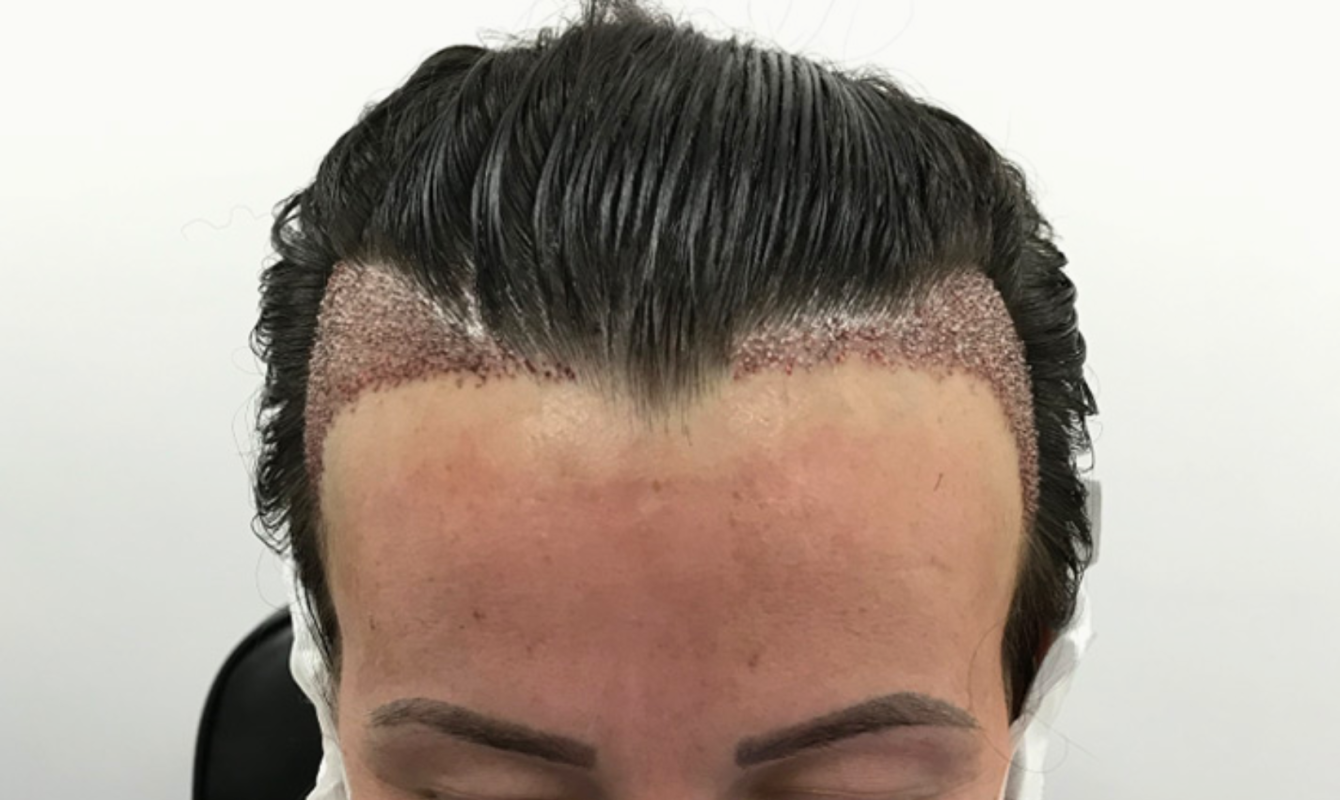
Hair loss in women can be emotionally challenging, but modern female hair transplant techniques have evolved to offer natural, long-lasting results. Today, advanced procedures like FUE (Follicular Unit Extraction) and DHI (Direct Hair Implantation) are designed specifically to meet the unique needs of female patients, restoring both confidence and appearance.
Why Women Experience Hair Loss
Unlike men, women usually experience diffuse thinning instead of receding hairlines. Hormonal imbalance, genetics, stress, and post-pregnancy changes are common triggers. A proper diagnosis from a certified hair specialist ensures that the right female hair transplant technique is selected for your condition.
Popular Female Hair Transplant Techniques
1. Follicular Unit Extraction (FUE)
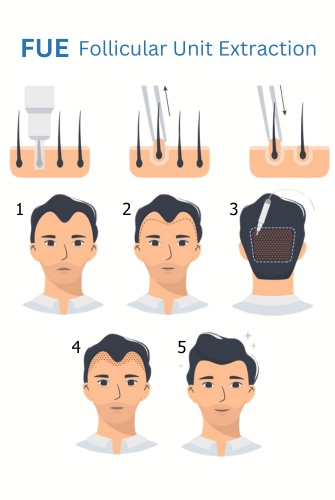
In the FUE method, individual follicles are extracted from the donor area and implanted in thinning zones. This minimally invasive procedure ensures minimal scarring and a natural-looking result, making it one of the top female hair transplant techniques worldwide.
2. Direct Hair Implantation (DHI)
DHI uses a specialized implanter pen to directly place grafts without creating incisions. This method allows for more precision, faster healing, and denser hair growth — an ideal solution for women who want to restore their volume seamlessly.
3. FUT (Follicular Unit Transplantation)
Though less common today, FUT can still be effective for women with significant hair loss. A thin strip of scalp is removed from the donor area, and individual follicular units are transplanted. The success rate of female hair transplants using FUT remains high when performed by skilled surgeons.
Success Rates of Female Hair Transplants
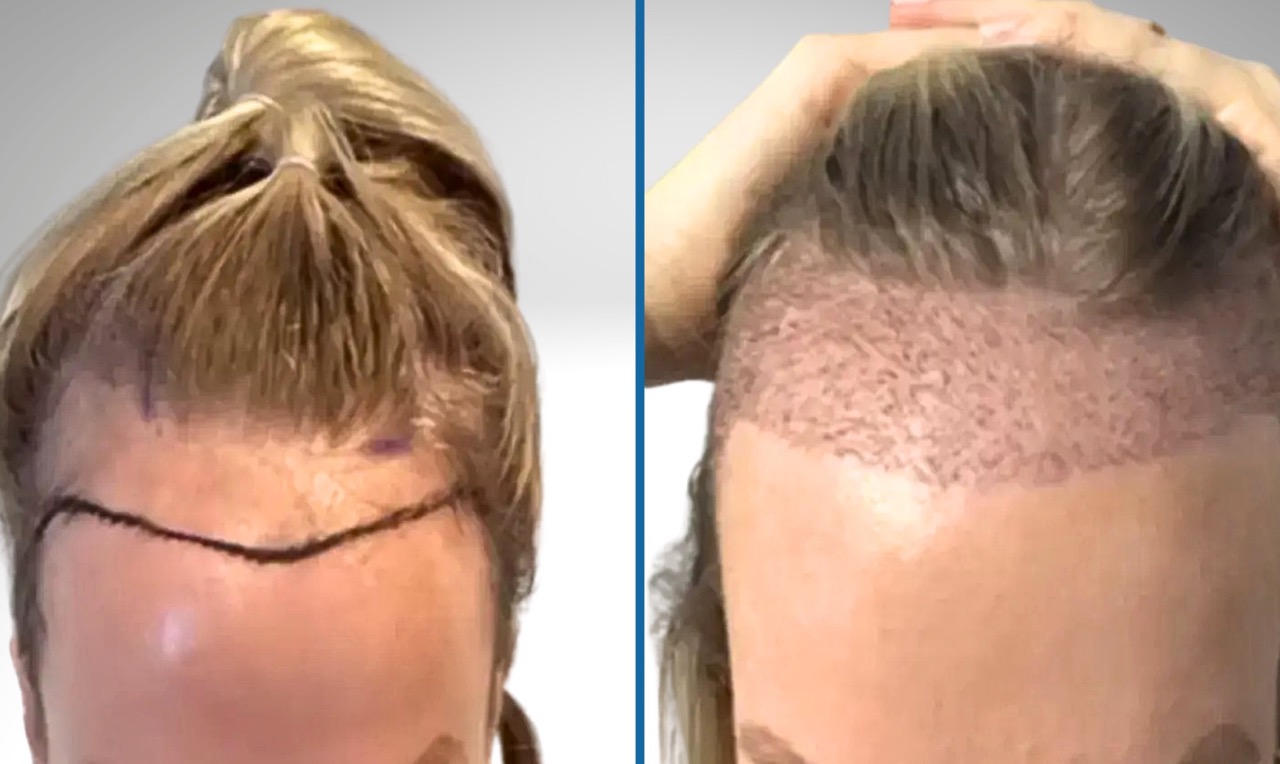
The overall success rate of modern female hair transplant techniques is between 90%–98%, depending on factors such as donor quality, technique, and post-care. Results typically appear gradually within 6 to 12 months, offering a natural transformation that blends perfectly with existing hair.
Tips to Ensure High Success Rates
- Choose an experienced surgeon specializing in female cases.
- Follow pre- and post-operation care instructions strictly.
- Maintain a healthy diet to support strong graft growth.
- Attend follow-up appointments to monitor progress.
Before You Decide
If you’re considering a female hair restoration procedure, book a consultation at Serena Hair Center. Our experts offer personalized assessments to choose the most effective female hair transplant technique for you.
Trusted Medical Sources
For more insights on female pattern hair loss, visit WebMD’s guide to women’s hair loss.
Conclusion
Modern female hair transplant techniques empower women to regain their confidence and beauty through innovative, minimally invasive procedures. Whether it’s FUE, DHI, or FUT, the success rate continues to grow, proving that hair restoration for women is more reliable and natural-looking than ever before.
Related Keyphrases:
- female hair restoration success
- women’s hair loss treatment
- FUE vs DHI for women
- non-surgical hair restoration for women
