Istanbul’s Afro Hair Specialists

Expert Afro Hair
Transplant in Istanbul

Precision DHI technique engineered for Afro-textured, coily & curly hair. Restore your natural hairline with surgeons who truly understand your unique hair biology.

Whatsapp
Specialized Knowledge

Why Afro Hair Requires
Specialized Expertise

Afro-textured hair has unique biological characteristics that demand a higher level of surgical precision, specialized tools, and extensive clinical experience to achieve safe, natural results.

Afro Hair Transplant

Why Afro Hair Transplant Requires a Specialized Approach

Many patients assume that every hair transplant is performed the same way. In reality, Afro hair transplantation is one of the most technically demanding procedures in hair restoration.

Unlike straight hair follicles, Afro follicles naturally curve beneath the scalp. This curved structure increases the risk of follicle injury during graft extraction if the procedure is not performed by an experienced medical team using appropriate techniques.

Successful Afro Hair Transplant in Istanbul depends on careful surgical planning, precise graft handling, and meticulous implantation to preserve the natural curl direction and maximize graft survival.

Our team understands these anatomical differences and develops an individualized treatment plan for every patient.

Contact now
Real Patient Results

Before & After
Gallery

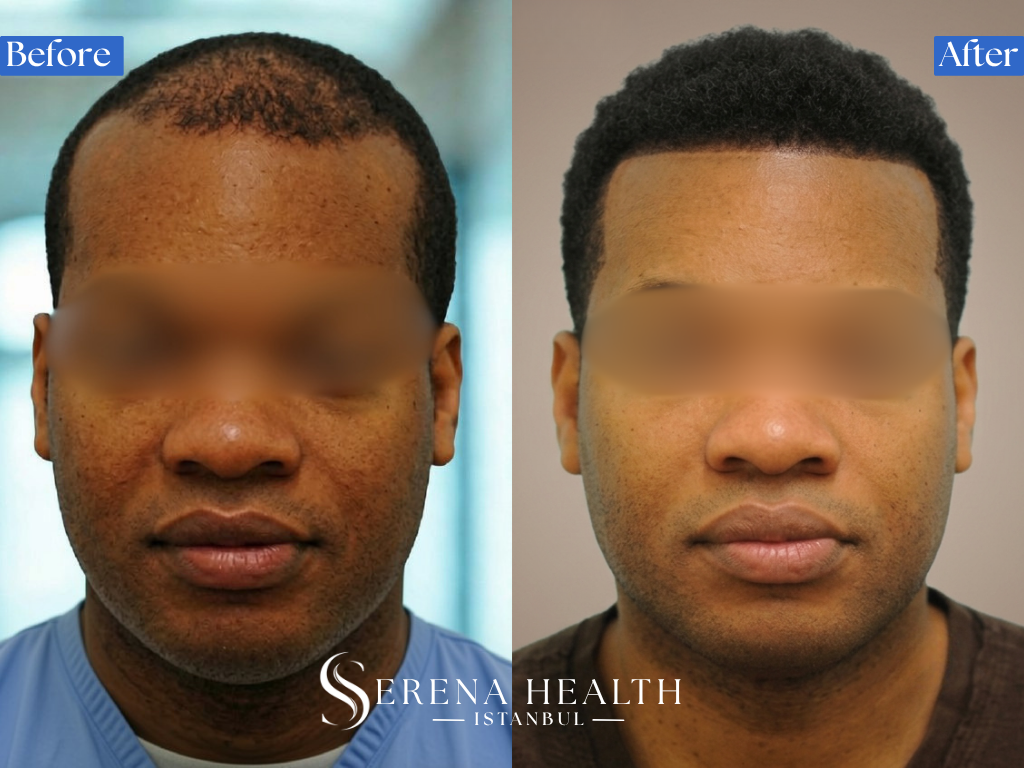
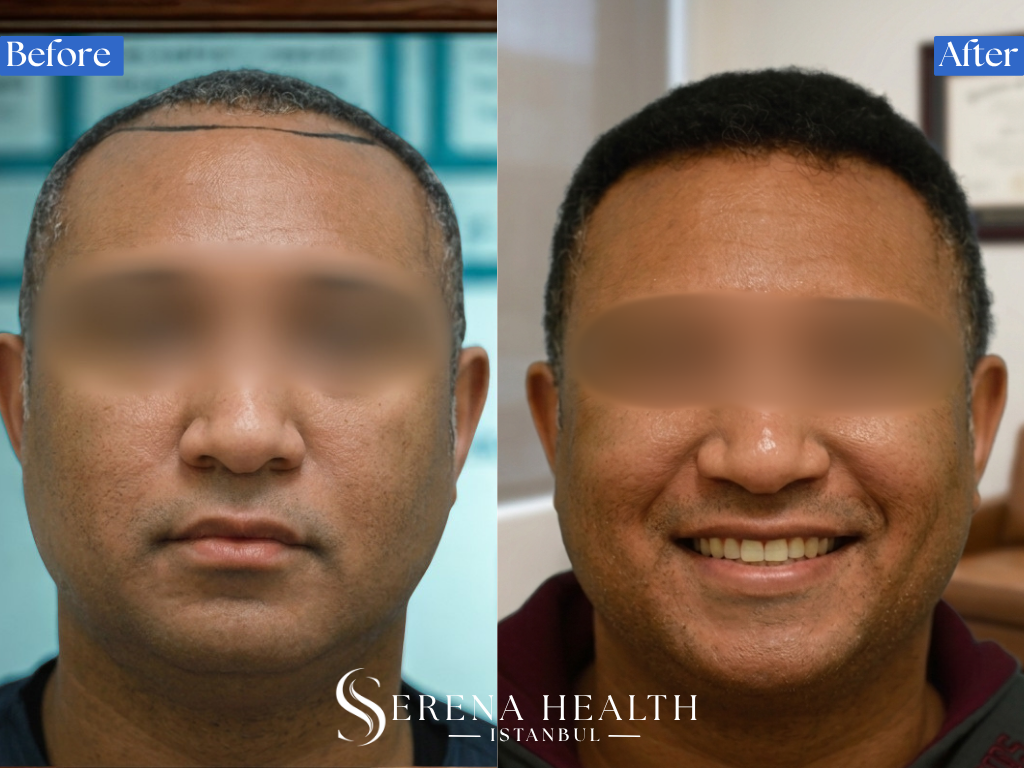
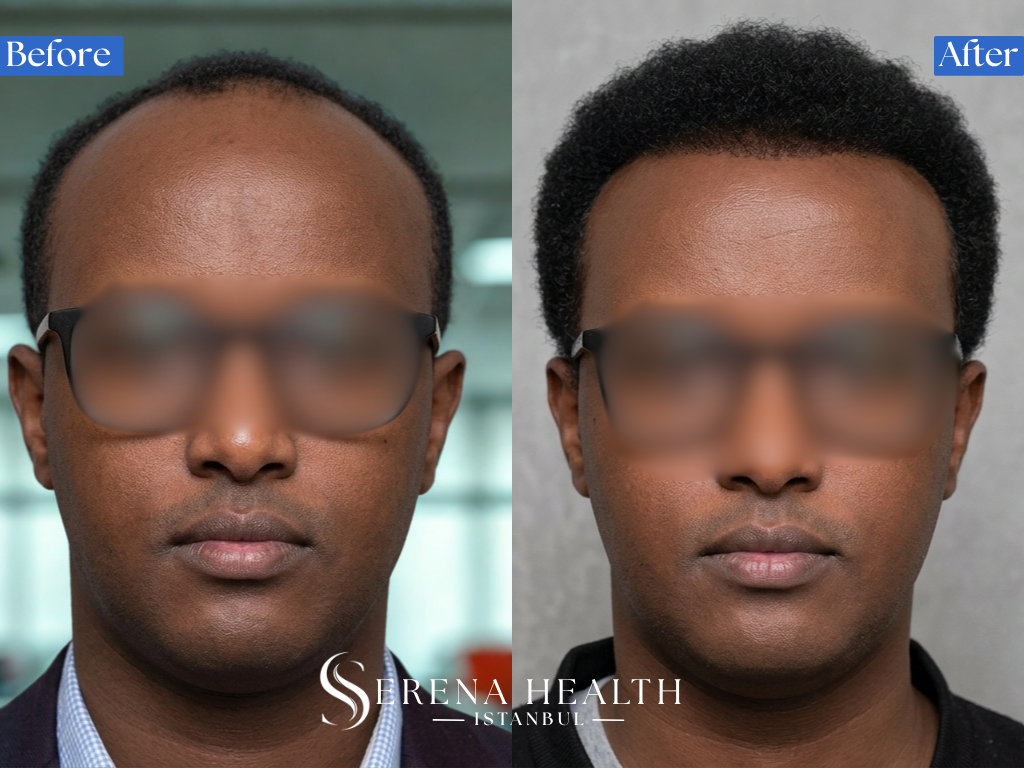
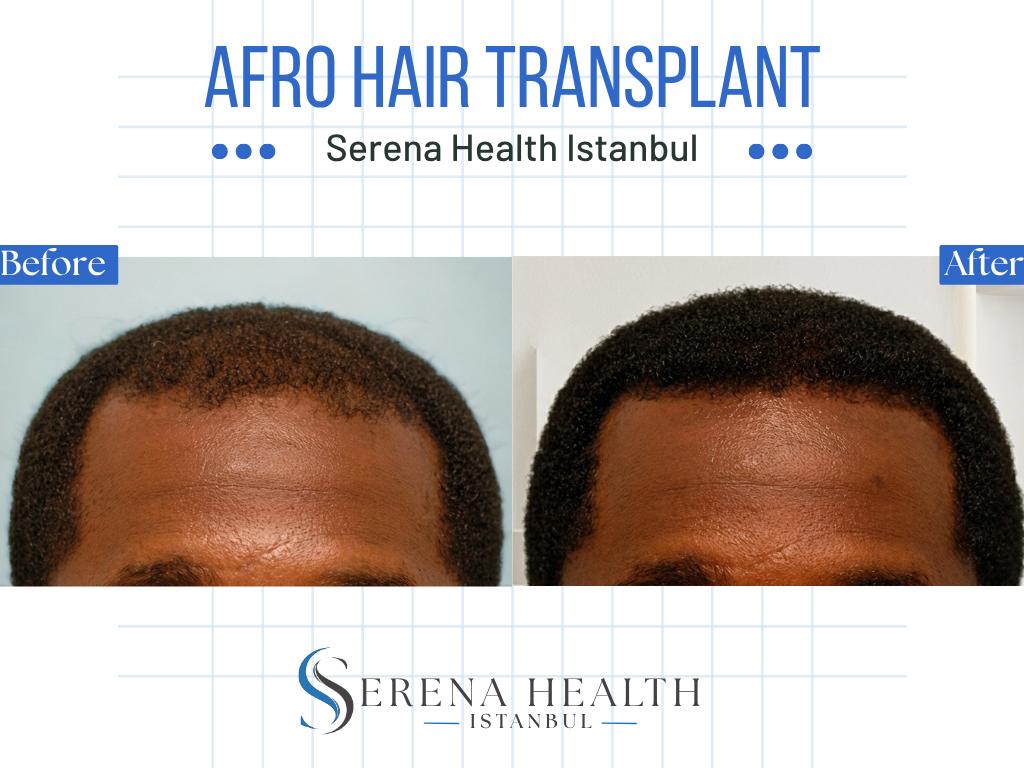
Every result shown was achieved by our team using specialized DHI technique for Afro-textured hair. Individual results may vary based on donor density and personal hair characteristics.

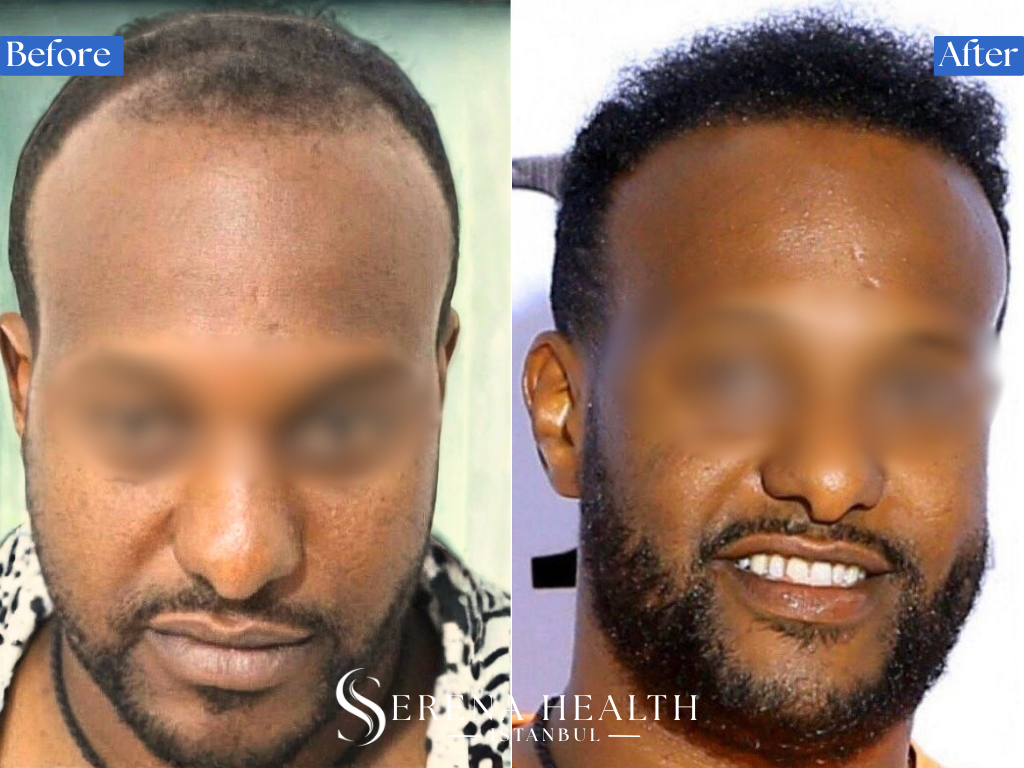
Patient results showing temple hairline refinement using specialized afro hair graft techniques.

A title

Image Box text

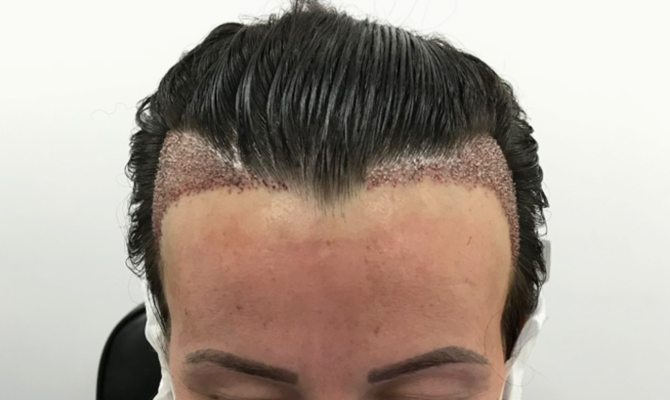
Close-up view of the DHI hair transplant technique showing precise follicle placement in curly hair.

A title

Image Box text

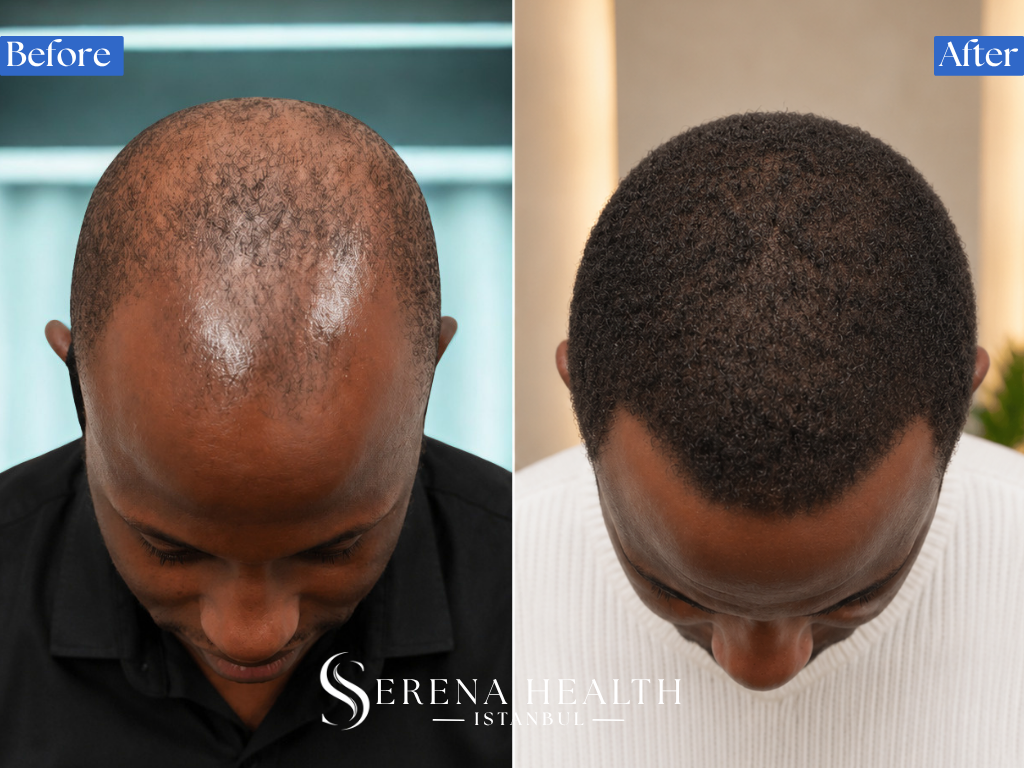
Before and after of afro hair transplant focusing on mid-scalp density improvement.

A title

Image Box text

Afro-textured hair patient demonstrating excellent healing and hair growth post-transplant.

A title

Image Box text

Male patient after afro hair transplant showing a natural restored hairline in Istanbul.

A title

Image Box text

Close-up of a successful crown hair transplant for a patient with curly afro hair.

A title

Image Box text

View all
Afro Hair Restoration

What Makes Afro Hair Different?

Afro-textured hair has several unique characteristics that influence every stage of hair transplantation:

  • Curved follicles beneath the scalp
  • Naturally coiled hair shafts
  • Lower follicle visibility during extraction
  • Increased technical difficulty
  • Need for careful donor management
  • Greater importance of natural implantation angles

Because of these factors, Afro hair transplantation should only be performed by professionals familiar with curly hair restoration.

DHI Hair transplant

Why DHI Hair Transplant Is Ideal for Afro Hair

At Serena Health Istanbul, we use the Direct Hair Implantation (DHI) technique for suitable Afro hair transplant candidates.

The DHI technique allows each follicular unit to be implanted directly into the recipient area using specialized implanter pens. This provides greater control over the placement of every graft.

Key benefits include:

  • Precise control of implantation angle
  • Natural hairline design
  • High-density implantation
  • Reduced handling of grafts
  • Minimal visible scarring
  • Faster recovery compared to many traditional techniques
  • Preservation of the natural curl pattern

The DHI technique is especially valuable when restoring Afro hairlines because every implanted graft contributes to the overall natural appearance.

Personalized Afro Hairline Design

A natural hairline is one of the most important elements of a successful hair transplant.

Before surgery, our specialists carefully design the hairline based on:

  • Facial proportions
  • Age
  • Existing hair pattern
  • Hair density
  • Ethnic characteristics
  • Patient expectations

Every hairline is customized rather than using a standard template.

Single-hair follicular units are strategically placed along the front edge of the hairline to create a soft, natural transition.

High-Density Afro Hair Transplant

Creating density is not simply about implanting more grafts.

Proper density depends on:

  • Correct graft distribution
  • Appropriate implantation angle
  • Hair direction
  • Follicle orientation
  • Donor preservation

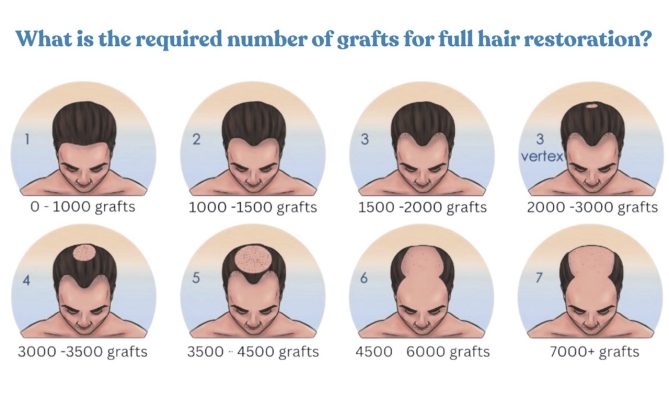
For many patients, we estimate approximately 3,500 to 5,000 grafts, depending on the degree of hair loss, donor availability, and treatment goals. The exact number is confirmed during an in-person consultation.

Preserving the Donor Area

An experienced surgeon understands that the donor area is a limited resource.

Our approach focuses on:

— Even graft extraction

— Balanced donor management

— Avoiding over-harvesting

— Maintaining a natural appearance

Protecting the donor area today helps preserve options for any future treatments if needed.


Who Is a Good Candidate?

You may be a suitable candidate if you have:

— Male pattern hair loss

— Hairline recession

— Crown thinning

— Traction alopecia

— Previous unsuccessful hair transplant

— Stable donor hair density

A personalized consultation is always required before confirming candidacy.

FAQ

Frequently asked questions

DHI (Direct Hair Implantation) is highly suitable for Afro-textured hair because it allows surgeons to control the angle, depth, and direction of each graft. This precision is essential for preserving the natural curl pattern and trajectory of the hair.

Yes. Because DHI allows for precise implantation that respects the unique flow and curvature of Afro hair, the results typically mirror your natural hair texture.

This depends on your specific level of hair loss (the Norwood stage) and the desired density. While a hairline correction may require 800–2,000 grafts, extensive restoration can require 3,000–5,000+ grafts. A professional consultation is required to determine your exact needs.

All transplant techniques involve tiny incisions that leave microscopic dot-sized marks. However, these are minimal, well-distributed, and typically fade to become nearly invisible once healed.

Recovery is generally comfortable and quick. Most patients notice redness or minor scabs for the first 7–10 days, after which the donor area begins to look clean and healed.