

Considering a robotic hair transplant? Robotic assistance is one of the most talked-about advances in hair restoration — offering precision, consistent graft extraction, and improved planning. This guide explains how robotic systems work, who benefits most, and how clinics like Serena Hair Center use this technology to improve outcomes.
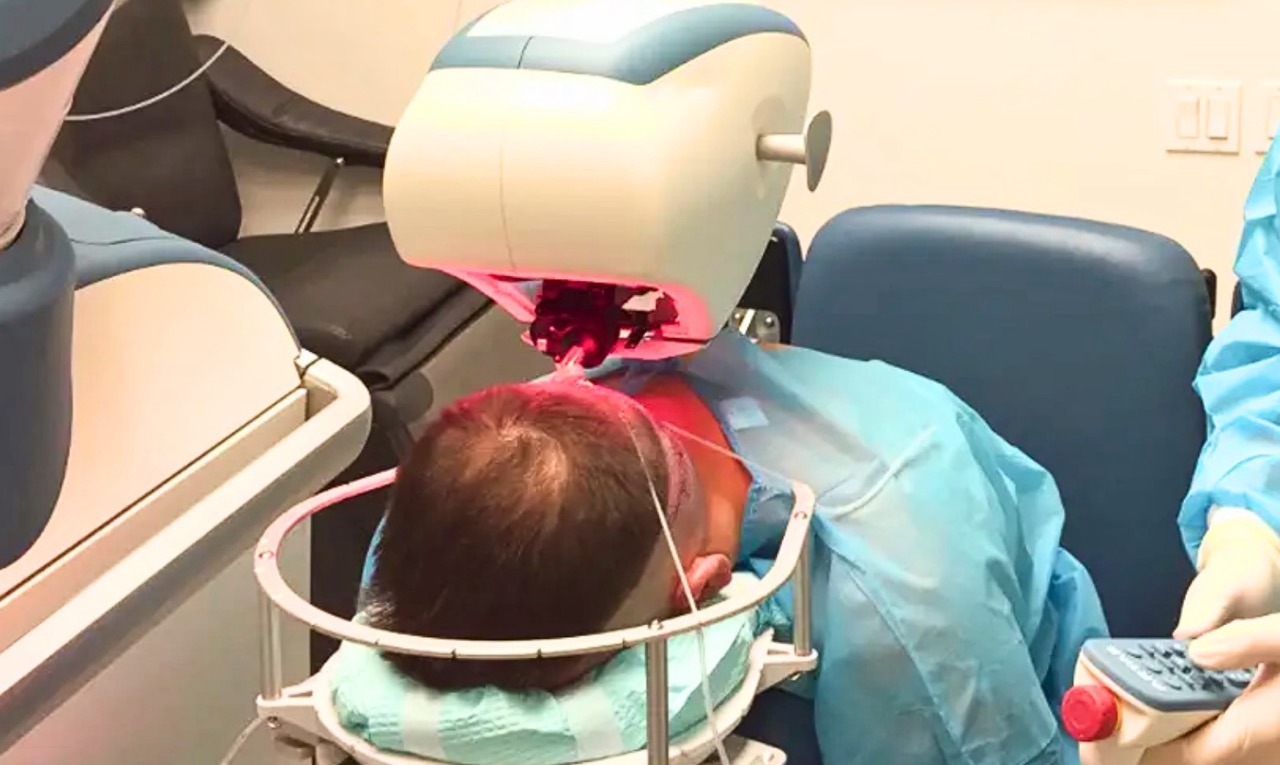
What Is a Robotic Hair Transplant?
A robotic hair transplant uses computerized systems and robotic arms to assist surgeons during extraction and planning steps. These machines map the donor area, guide micro-punches for extraction, and help create implantation plans with precise angles and spacing. The goal is to increase uniformity and reduce human error in repetitive tasks.
How Robotic Systems Work (Overview of the Process)
Robotic systems typically scan the scalp to create a high-resolution donor map, identify the healthiest follicles, and assist with micro-punch extraction. The human surgeon remains in control for key decisions — placement, density, and artistic hairline design — while the robot performs standardized extraction or mapping tasks to improve consistency.
Typical Steps with Robotic Assistance
- High-resolution donor mapping and selection
- Robotic-guided extraction of follicular units
- Surgeon-led implantation and density planning
- Post-op verification and follow-up care
Benefits of Choosing a Robotic Hair Transplant
Robotic assistance provides several benefits that many patients and clinics find valuable:
- Consistency: Robots perform repetitive extraction motions uniformly, reducing variability between grafts.
- Precision: High-resolution mapping helps select optimal grafts and minimize damage to donor follicles.
- Speed: The extraction phase can be faster in skilled hands with robotic help, reducing total procedure time.
- Data & documentation: Systems record donor mapping and extraction metrics for quality control and follow-up.
Clinical Evidence & Further Reading
Robotic hair transplant technology continues to evolve. For credible overviews and clinical discussion, refer to authoritative resources such as the International Society of Hair Restoration Surgery (ISHRS) and manufacturer details like the ARTAS robotic system.
Who Is a Good Candidate for Robotic Assistance?
Robotic systems are particularly useful for patients with clear, healthy donor zones and when consistent extraction across large sessions is needed. Candidates include:
- Patients needing large graft counts who value uniform extraction
- Those wanting detailed documentation of donor health and extraction patterns
- Patients seeking shorter extraction phases under expert surgical supervision
Limitations & What Robots Don’t Replace
While robotic assistance improves certain technical steps, it does not replace surgical judgment. Artistic design, graft placement angle, and final aesthetic decisions remain the surgeon’s responsibility. Additionally, not every clinic uses robotic systems, and availability may depend on equipment and operator training.
Cost Considerations and Availability
Robotic hair transplant procedures may have higher costs due to equipment and training. Costs vary by clinic and session size; always request a transparent package quote. Serena Hair Center offers detailed pricing and can advise whether robotic assistance adds value for a specific case — see our packages page for sample inclusions.
How to Choose a Clinic for Robotic Hair Restoration
When evaluating clinics, consider:
- Surgeon experience and credentials (look for ISHRS membership)
- Hands-on operator training for the robotic system
- Before/after galleries and real patient reviews
- Transparent reporting of graft counts and donor mapping
For more on technique selection, read our comparison articles: FUE vs DHI and Sapphire FUE.
Patient Experience & Recovery
Recovery after a robotic-assisted extraction is similar to traditional FUE: mild redness, small scabs, and gradual shedding before regrowth begins. Because robotic systems can reduce tissue trauma during extraction, many patients report comfortable early recovery and predictable healing timelines.
Conclusion
A robotic hair transplant can be a valuable tool in the hands of an experienced surgical team — offering precision, consistency, and robust documentation. If you are curious whether robotic assistance suits your needs, schedule a consultation with Serena Hair Center for a personalized evaluation and honest recommendation.
Related Keyphrases
- robotic fue
- advanced hair transplant technology
- automated hair transplant system
- ARTAS robotic transplant
